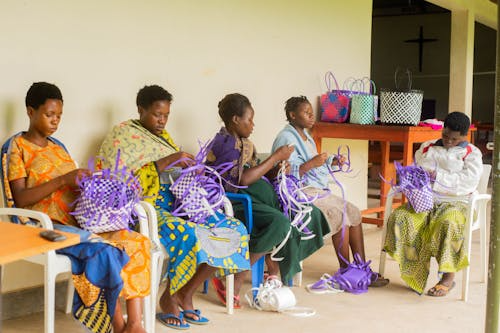
Clearing Barriers Through Four Pillars

Reproductive Health and Rights, Healthy Environments, Climate Justice and Youth Advocacy.

  1. Reproductive Health and Rights

    Women and girls across Africa face compounded health challenges due to persistent barriers in reproductive health and rights. These barriers show up as period poverty and shame, high maternal mortality, limited contraceptive access and continued vulnerability to HIV and AIDS.

    Herspire Afrika combines legal and policy advocacy with community health education to address each of these barriers at its root.

    Menstrual JusticeContraceptive AccessHealth Information and JusticeLegal and Policy Advocacy
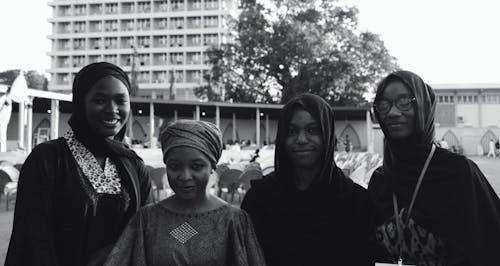
  2. Healthy Environments

    Millions of communities across Kenya and the wider continent face an acute shortage of clean water and adequate sanitation. Women and girls bear the heaviest burden of this shortage because of the domestic roles they carry and the sanitation needs tied to reproductive health.

    In most rural households, the task of fetching water for the home falls squarely on women, exposing them to waterborne disease, violence and long, exhausting walks.

    Herspire Afrika responds by funding and partnering with organisations that build sustainable water systems and storage facilities for women and schools in arid and semi arid regions, and by championing access to clean water and sanitation as a fundamental right.

    Sustainable Water SystemsCommunity Led ManagementSource ProtectionPolicy Advocacy

  3. Climate Justice

    The Climate Justice pillar empowers women and smallholder farmers to adapt to and mitigate the effects of climate change by promoting environmentally sustainable agricultural practices such as agroecology and responsible land use.

    Its food governance work advances accountability across Africa's food systems, including the revival of indigenous food governance practices that have sustained communities for generations.

    Herspire Afrika works to protect every person's right to adequate food, in dignity, and partners with institutions committed to upholding this right.

    Right to FoodInstitutional AccountabilitySustainable Agriculture

  4. Youth Advocacy

    Young people, including women and girls, carry the heaviest weight of the structural and systemic inequalities that Herspire Afrika seeks to address, yet remain underrepresented in the policy forums that shape interventions meant for them.

    This often leaves such interventions disconnected from the cultural and contextual realities of the communities they are meant to serve.

    Herspire Afrika bridges this gap by involving young people directly in policy spaces and by equipping affiliated youth and partner organisations with human rights advocacy skills, access to reproductive health services and opportunities to lead community change.

    Policy InclusionCapacity BuildingReproductive Health AccessCommunity Leadership

Fact Sheet

  1. 71M

    71 million women in East Africa lack access to basic sanitation services.

  2. 28%

    28% of girls in Sub-Saharan Africa marry before the age of 18.

  3. Girls without access to education are twice as likely to face early marriage.

Help Clear the Path

Join HERSPIRE AFRIKA in clearing barriers for women and girls through membership, partnerships and giving.